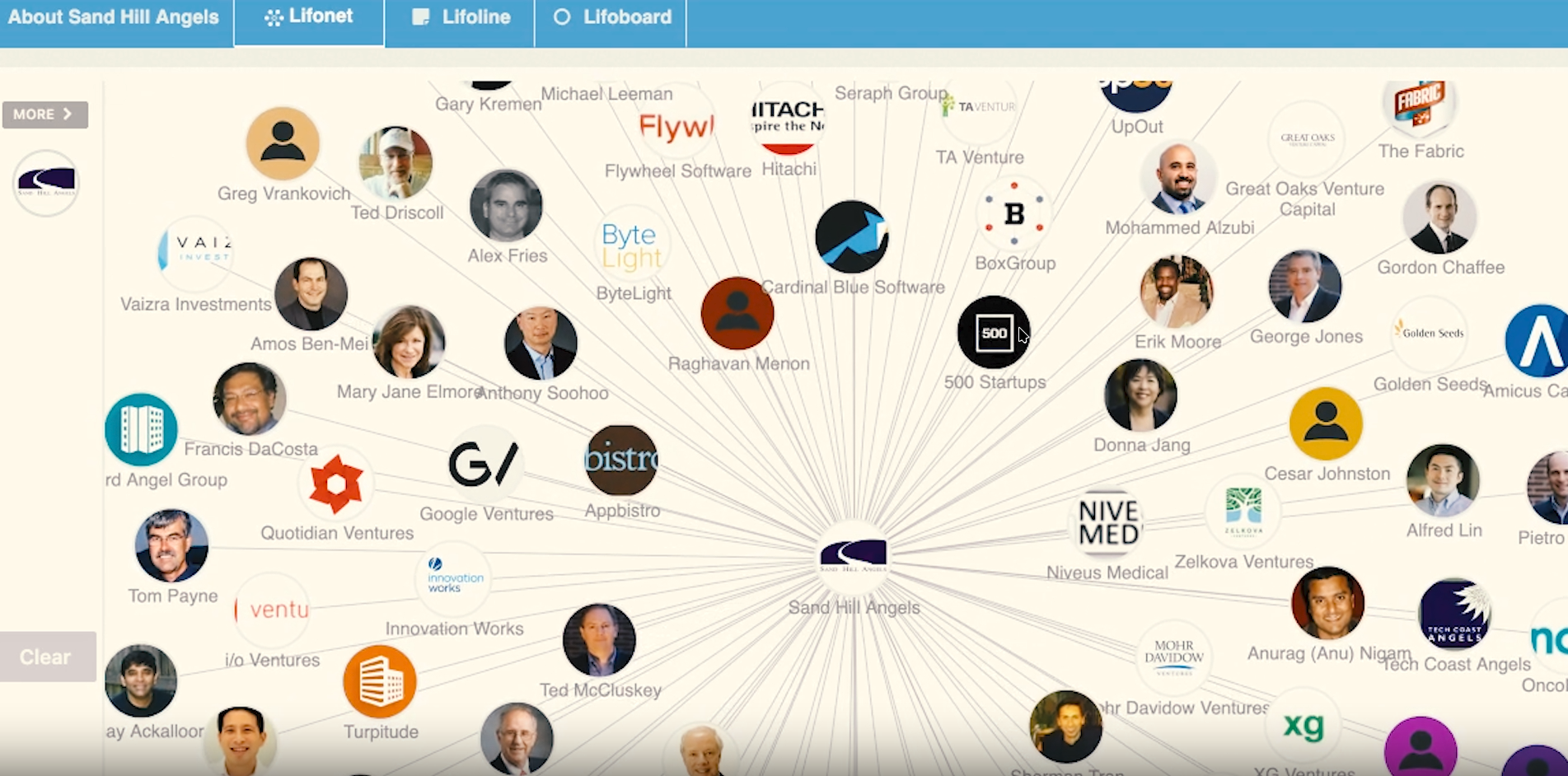
lifograph —
At Lifograph, I focused on optimizing Neo4j database performance for a graph-based application. I analyzed datasets, identified bottlenecks, optimized Cypher queries, and improved database interactions—resulting in faster API responses and a more efficient backend system.
Key Contributions
Optimized Neo4j Database Performance
- Problem: The Neo4j database was experiencing performance bottlenecks, impacting API response times and overall user experience
- Action: Analyzed the Neo4j dataset, identified slow-running queries and inefficient data patterns, and implemented targeted optimizations
- Result: Significantly improved database performance and enabled faster API response times
Optimized Cypher Queries
- Problem: Complex Cypher queries were taking too long to execute, slowing down data retrieval and application performance
- Action: Rewrote and optimized Cypher queries to streamline data retrieval and manipulation within Neo4j
- Result: Faster query execution times and improved overall system responsiveness
Improved Go-to-Database Interactions
- Problem: The interaction between the Go backend and Neo4j database was not optimized for performance
- Action: Optimized Go calls to the Neo4j database, improving the efficiency of data operations
- Result: Enhanced overall system performance and reduced latency in data operations
Fine-Tuned Data Models
- Problem: The data model was not optimized for efficient querying and data retrieval
- Action: Collaborated with the database team to fine-tune the data model, improving efficiency and response times
- Result: More efficient data representation and faster query execution
Impact Summary
- Faster database performance and API responses
- Optimized Cypher queries for efficient data retrieval
- Improved Go-to-database interactions
- Fine-tuned data models for better efficiency